
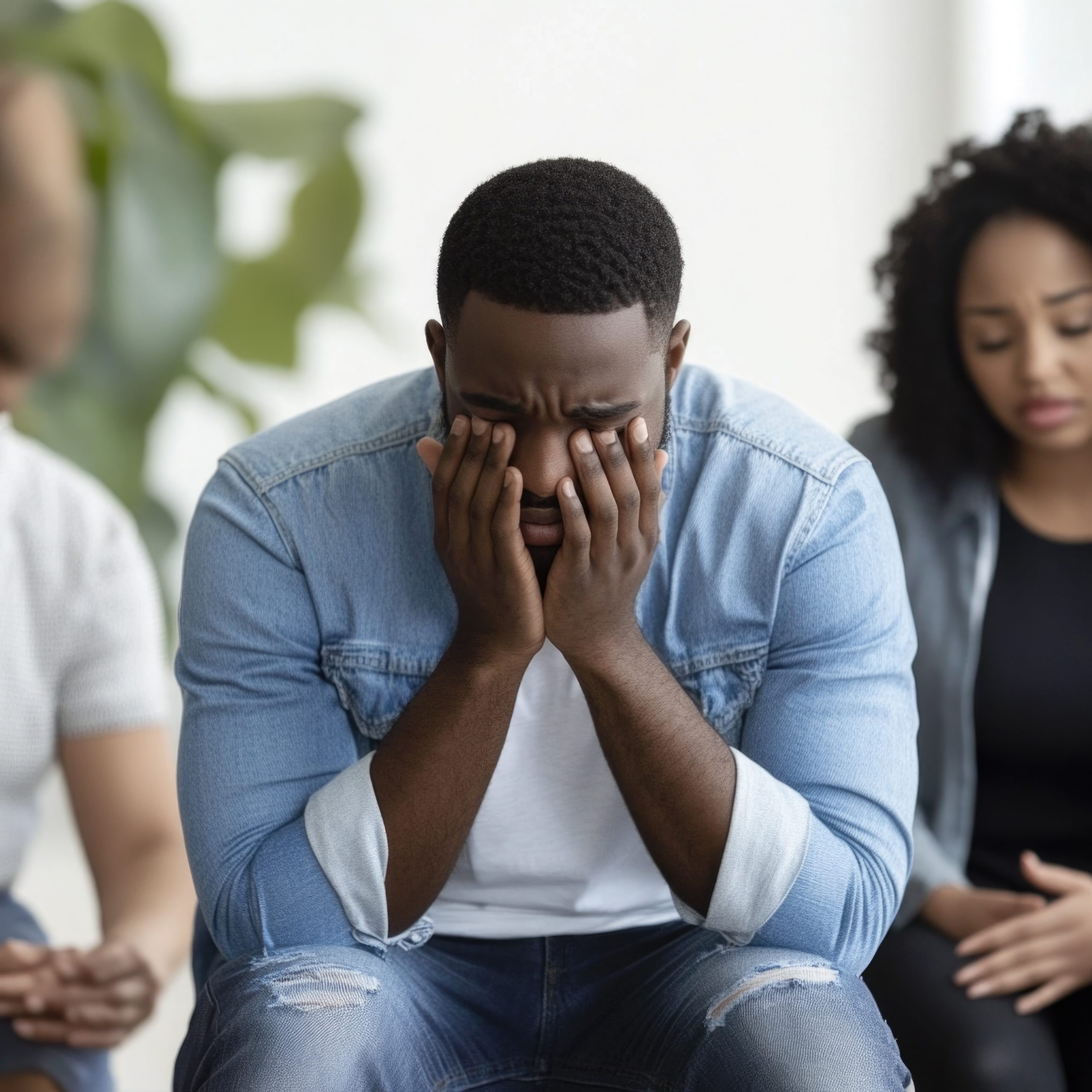
Living Waters Hosts the 2026 Yearly Mental Health Summit
Living Waters in Charlotte NC gives community voices a place to share, listen, and take part in mental health conversations.
A parent has questions about finding support for a child. A community leader sees people struggling to connect with available services. A faith leader hears concerns that rarely reach formal support systems. Each person may see a different part of the problem, but bringing those voices together can help communities understand what people need.
That is the purpose behind the Yearly Mental Health Summit hosted by Living Waters. The 2026 Mental Health Summit will focus on the Town of Davidson, NC, and surrounding communities, creating a space for people and organizations to discuss mental health, community connections, and barriers to care.
Why Community Voices Matter in Mental Health Conversations
Mental health concerns do not affect people in exactly the same way. Families, children, older adults, people experiencing homelessness, and disadvantaged racial and ethnic communities can face different challenges when trying to find care and support.
The 2026 Yearly Mental Health Summit will focus on these differences while looking at ways communities can build stronger connections. Its theme, “Bridges and Barriers to Community Connections,” reflects the need to understand what helps people connect with support and what can make that connection difficult.
A community conversation can bring perspectives together that may otherwise remain separate. Healthcare professionals may understand available services, while families can speak about their experiences trying to access them. Faith leaders, educators, advocates, and community organizations may also have insight into concerns affecting the people they serve. Giving these groups a place to talk can make the conversation more grounded in the experiences of the community itself.
Creating Better Connections Between Community Resources
One focus of the Yearly Mental Health Summit is how different parts of a community can work together. Healthcare systems, social services, faith-based communities, mental health providers, and other organizations may all have a role in supporting individuals and families.
The summit will discuss connections and referral processes between community programs and mental health providers. It will also explore how healthcare systems, social services, and faith-based communities can work together to support children, individuals, and families experiencing mental and emotional health challenges.
These conversations matter because people may not always know where to turn when they need support. A stronger connection between community organizations and providers can make it easier to understand what resources are available and how people can reach them.
Living Waters’ broader community work also centers on engagement and collaboration. The organization works with individuals, organizations, networks, faith communities, and community leaders to support conversations around mental, physical, and emotional health.
Making Space for Different Experiences
The Yearly Mental Health Summit is also about recognizing that community needs can be shaped by culture, family experiences, faith, and other parts of people’s lives. The 2026 summit will explore access to care and support for children, individuals, and families from religious or cultural communities. This focus reflects Living Waters’ work in community liaison and cultural brokering, where the organization builds relationships among diverse communities, families, leaders, schools, and organizations.
When people feel that their experiences are understood, they may have more opportunities to take part in conversations about the issues affecting their families and communities. Listening to different perspectives can also help organizations better understand concerns that might otherwise be overlooked.
This is especially important when conversations involve mental health. People may have different experiences with support, different community connections, and different concerns about seeking help. A community setting can give people an opportunity to listen, learn, and connect with others.
Lived Experience Has a Place at the Summit
The 2026 Mental Health Summit will include expert speakers as well as speakers with lived experience. It will also feature interactive table sessions, a moderated panel discussion, and audience questions and answers.
Including lived-experience speakers gives personal experiences a place alongside professional knowledge. This can help create a broader conversation about what people and families encounter in their communities.
The summit is not limited to one type of participant. Its target audience includes faith and ministry leaders, community leaders, justice-involved professionals, child and family service organizations, health professionals and administrators, educators and researchers, caregivers, and advocates.
Bringing these groups together supports the central idea of the summit: community connections matter when people are working to address mental and emotional health needs.
Building on Living Waters’ Community Work
For Living Waters, the Yearly Mental Health Summit fits within a wider focus on strengthening people and communities through engagement, collaboration, and partnerships. Living Waters provides community engagement and collaboration services that include education and training for faith-based organizations, faith leaders, and congregations, along with trauma-informed engagement events, community empowerment events, faith-based roundtable events, meetings, and small group workshops.
The organization also provides Community Wellness Circles, which create safe places for people affected by loss, abuse, violence, and other forms of trauma to share their voices and stories or listen to others. These circles encourage community connections and work with faith-based, community, and behavioral health providers to provide support services.
That same focus on connection can be seen in the Yearly Mental Health Summit. The event gives community members, leaders, professionals, caregivers, and advocates a shared place to discuss mental health and access to support.
What the 2026 Mental Health Summit Will Cover
The 2026 summit will take place on Friday, October 30, 2026, from 9:00 a.m. to 12:00 p.m. at the Ada Jenkins Center in Davidson, North Carolina. Registration is free, and a complimentary continental breakfast will be provided.
The event will focus on the bridges that already connect communities and the barriers that can make it harder for people to reach mental health care and other support. Discussions will include stronger cooperation between healthcare systems, social services, faith communities, community programs, and mental health providers.
The summit will also give attention to children, individuals, and families who may experience challenges accessing care because of their circumstances, culture, or community connections. Older adults, people experiencing homelessness, and disadvantaged racial and ethnic communities will receive special attention.
Frequently Asked Questions About the Yearly Mental Health Summit
- What is the Yearly Mental Health Summit?
The Yearly Mental Health Summit is a community-focused event hosted by Living Waters to promote awareness, dialogue, and partnership around mental health care and community connections.
- Who can attend the summit?
The 2026 summit is intended for community and faith leaders, health professionals, educators, caregivers, advocates, child and family service organizations, justice-involved professionals, and others connected to community needs.
- What will happen at the 2026 Mental Health Summit?
The event will include expert speakers, lived-experience speakers, interactive table sessions, a moderated panel discussion, and audience questions and answers.
- Why does community involvement matter?
Community involvement gives people with different experiences an opportunity to share concerns, listen to others, and discuss ways to strengthen connections between people, organizations, and available support.
Giving Community Voices a Place to Be Heard
Mental health conversations become broader when they include the people who live, work, worship, learn, and raise families in the communities being discussed.
The Yearly Mental Health Summit provides Living Waters with an opportunity to bring those voices together. Through dialogue, shared experiences, and collaboration, the 2026 summit will focus on understanding barriers, strengthening community connections, and discussing ways different groups can work together to support individuals and families.
For Living Waters, this work reflects its wider commitment to connecting faith-based communities with public and private partners while supporting the growth and development of people and communities.
Join Living Waters to support mental health
Living Waters serves as an independent link to faith-based communities to collaborate and partner with public and private sectors. We assist communities to establish and implement new goals.