
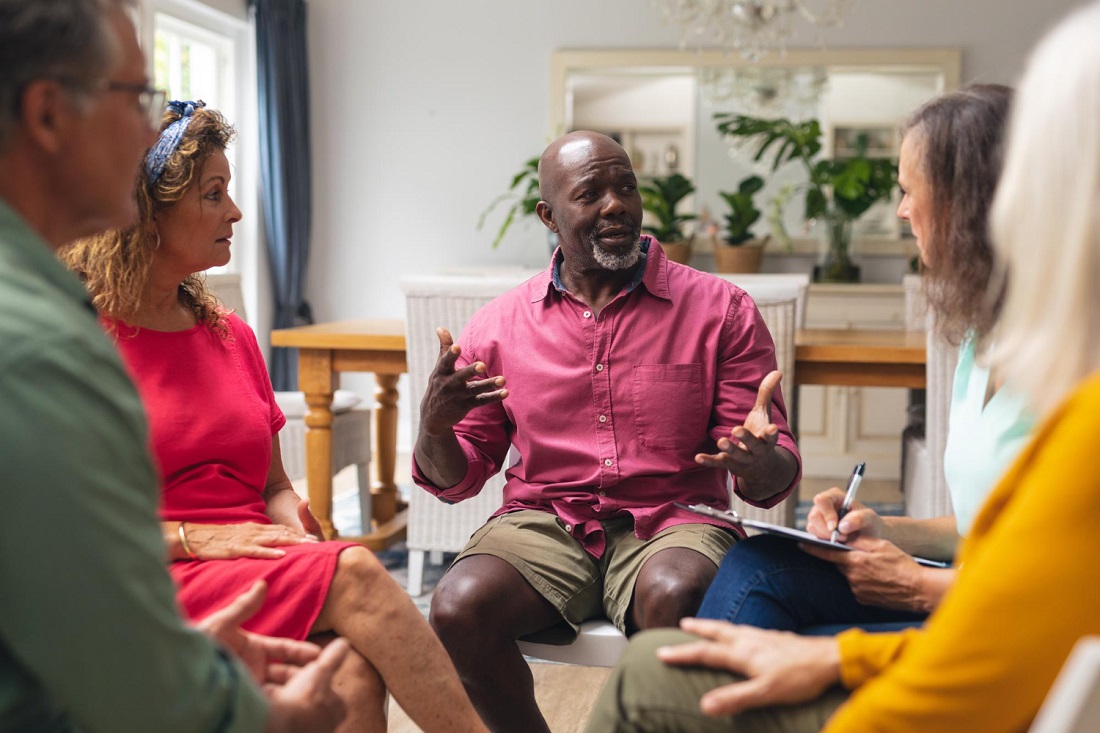
Community Liaison and Cultural Brokering supports communication and connection
Living Waters in Charlotte NC helps families navigate school systems through community liaison and cultural brokering that supports communication and connection.
A parent sits across from school staff, trying to understand what is being discussed about their child. The school system may be unfamiliar, the language may feel difficult, and the next steps may not always be clear. For immigrant families, these challenges can make conversations about their child’s education feel overwhelming and difficult to navigate.
Community Liaison and Cultural Brokering can help bridge these communication gaps. Living Waters provides this service to help connect diverse communities, families, schools, leaders, and organizations while respecting cultural needs and experiences. This approach helps create stronger relationships and gives families more opportunities to take part in conversations that affect their children.
Community Liaison and Cultural Brokering Builds Understanding
Every community has its own culture, experiences, values, and ways of communicating. These differences can sometimes create gaps between families and the organizations that provide services or support.
Living Waters works as a community liaison and cultural broker to help bridge these gaps between diverse communities, leaders, and cultures. Its work includes building relationships and supporting communication between parents, teachers, schools, and community partners.
For families involved in special education conversations, stronger communication can make it easier to participate in discussions about their children. Parents can have more opportunities to share their experiences, concerns, and needs while building relationships with the people involved in their child’s education.
Parents Have an Important Role in Their Child’s Education
Parents understand their children in ways that schools may not. They know their child’s experiences at home, their strengths, their challenges, and the type of support they believe their child needs.
Living Waters focuses on engaging and helping parents support their own children as well as other children in their communities. The organization also works to help parents build relationships and strengthen their ability to work with others.
This support can be valuable when parents are unfamiliar with how local schools communicate with families. A parent may have questions about their child’s education but feel unsure about how to raise those concerns or who they should approach.
Community liaison work can help create stronger communication between families and schools. The goal is not to speak for parents, but to support relationships that allow families to participate and share their experiences.
Cultural Needs Should Be Part of the Conversation
Families come from different cultural backgrounds, and those backgrounds can shape how they understand schools, services, communication, and support. These differences should be recognized when families and organizations are working together.
Living Waters takes an approach that focuses on community, family, and cultural needs rather than making assumptions. This involves listening to the people involved and understanding the concerns and priorities that matter to them.
For families involved in special education conversations, this type of approach can help create better communication. Parents may have questions or concerns about how their child is supported at school, and they may need a comfortable way to communicate their experiences.
Cultural brokering can help create a space where those experiences are heard and where communication can take place across cultural differences. It gives families an opportunity to take part without feeling that their culture or background needs to be left out of the conversation.
Building Stronger Communication Between Parents and Schools
Good communication is about more than simply passing information from one person to another. It also involves listening, building trust, and creating relationships between families, schools, and communities.
Living Waters identifies reciprocal communication between parents, teachers, and schools as part of its community liaison work. This means communication should not happen in only one direction, because parents also need opportunities to share their experiences and concerns.
This can be especially helpful for families who feel disconnected from school systems. When parents have stronger relationships with teachers and other people involved in their community, they may feel more comfortable participating in important conversations about their children.
A community liaison can help support these relationships by creating better connections between families and organizations. This approach gives everyone involved an opportunity to communicate and work together.
Community Relationships Can Support Families
Families are part of larger communities, and those communities can provide important relationships and connections. Parents may already have relationships with faith communities, community leaders, advocates, service providers, and other families who understand similar experiences.
Living Waters works to connect and engage faith organizations, community members, and advocates. It also develops collaborative relationships between faith-based communities and other organizations, creating opportunities for people to work together around community needs.
These relationships can help families feel less isolated when dealing with unfamiliar systems. Parents can connect with others, share experiences, and take part in conversations that affect their families and communities.
Living Waters also provides forums where people of color, youth, young adults, faith leaders, service providers, and professionals can connect around shared experiences. These connections support communication and encourage communities to work together.
Community Liaison and Cultural Brokering Supports Community Needs
One important part of Living Waters’ approach is focusing on community, family, and cultural needs. This matters because every family and community has different experiences, and the same approach may not work for everyone.
Listening to families and communities can help identify the concerns and priorities that deserve attention. Instead of assuming what people need, community liaison and cultural brokering creates opportunities to listen and develop stronger relationships.
Living Waters works to engage, empower, and equip communities while building relationships between different groups. Its community liaison work also includes working with Charlotte Mecklenburg Schools and other community and public health partners.
This focus on collaboration can help create stronger connections between organizations and the communities they serve. It also gives families opportunities to participate in conversations that affect their children and their communities.
How Living Waters Helps Bridge Cultural Gaps
Living Waters serves as a connection between faith-based communities and public and private organizations. Its broader work focuses on strengthening people and communities through relationships, collaboration, and partnerships.
Through Community Liaison and Cultural Brokering, Living Waters helps build relationships among parents, schools, community leaders, faith organizations, advocates, and other partners. These relationships can support better communication when families are working with organizations or systems that may be unfamiliar to them.
For immigrant parents, having stronger community connections can make it easier to take part in conversations about their children. Parents can have opportunities to communicate their experiences, connect with others, and become more involved in supporting their families and communities.
Frequently Asked Questions
- What is Community Liaison and Cultural Brokering?
Community Liaison and Cultural Brokering helps bridge cultural gaps between diverse communities, families, leaders, and organizations. Living Waters uses this work to build relationships, strengthen communication, and support community engagement based on family and cultural needs.
- How can parents benefit from Community Liaison and Cultural Brokering?
Living Waters works to help parents support their children and become more connected with others in their communities. Its work also supports communication between parents, teachers, schools, and other community partners.
- Does Living Waters work with schools?
Yes, Living Waters identifies Charlotte Mecklenburg Schools among the organizations it has served as a community liaison, cultural broker, and advisor. This work supports relationships and communication between schools, families, and communities.
- Why is cultural understanding important?
Cultural understanding can help families and organizations communicate more effectively. Living Waters focuses on listening to families and communities while developing relationships and approaches that reflect their needs and experiences.
Supporting Families Through Stronger Community Connections
Navigating unfamiliar school conversations can be difficult for any family, especially when parents are unfamiliar with the systems involved. For immigrant families, differences in culture and communication can create additional challenges when they are trying to support their children.
Community Liaison and Cultural Brokering helps address these gaps by bringing families, schools, organizations, and communities closer together. Through its work with parents, schools, faith organizations, community members, leaders, advocates, and other partners, Living Waters focuses on communication, relationships, and community needs.
The goal is to help communities connect, communicate, and work together while respecting the experiences and needs of the people they serve.
Join Living Waters to Foster Community Unity
Living Waters serves as an independent link to faith-based communities to collaborate and partner with public and private sectors. We assist communities to establish and implement new goals.