
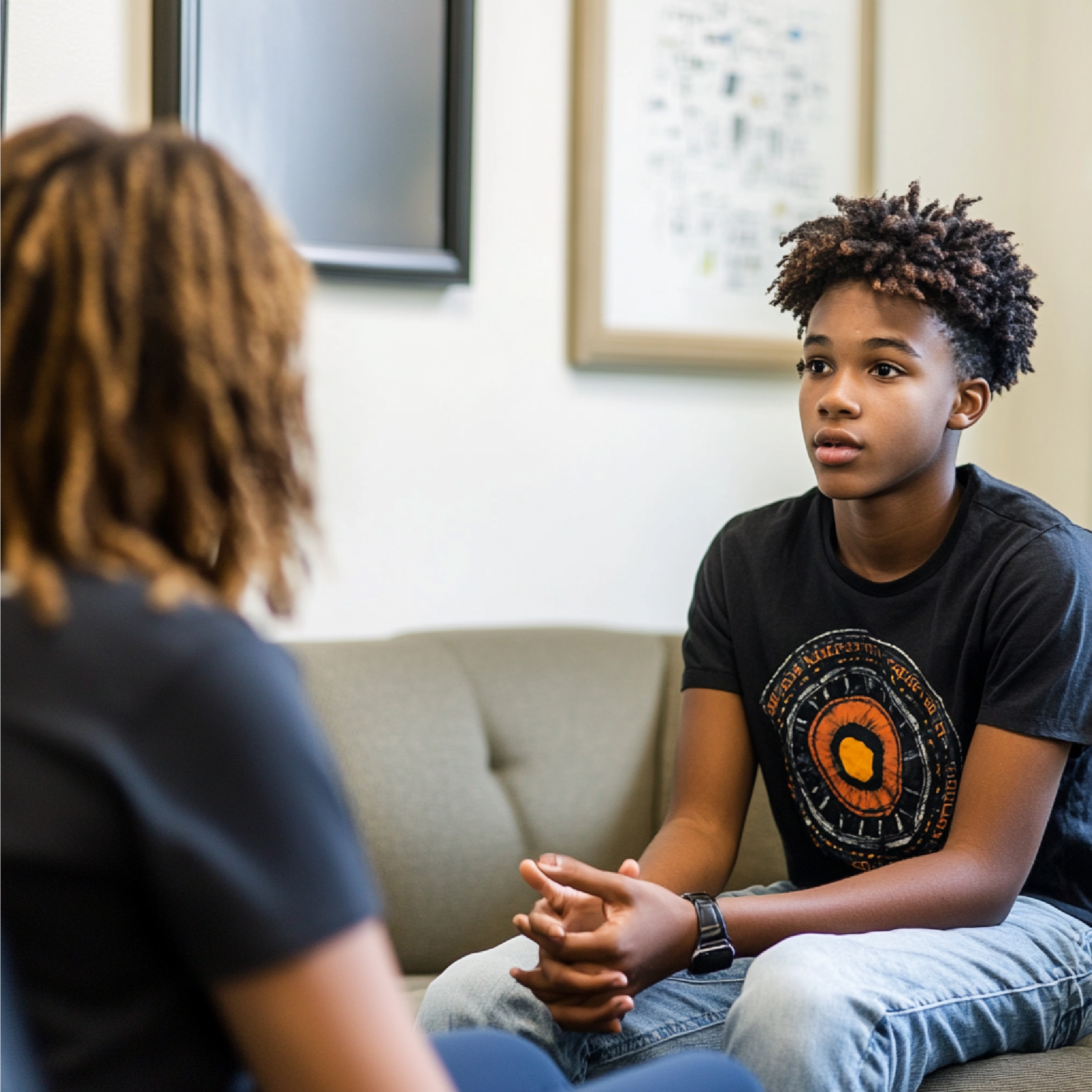
Living Waters Supports Behavioral Health Issues
Living Waters in Charlotte NC helps individuals manage stress and prevent burnout while supporting behavioral health issues.
A high school student checks their phone first thing in the morning. By lunchtime, they have scrolled through hundreds of posts, many filled with hurtful comments, hidden stereotypes, and even online racism. By evening, they are more irritable and exhausted than awake. This is not an isolated story. It is a growing reality showing how constant digital consumption, especially on social media, ties into deeper behavioral health issues and feeds a cycle of anxiety and burnout that Living Waters is increasingly concerned about.
What Is the Social Media Burnout Cycle?
We hear a lot about screen time and mental health, but the social media burnout cycle describes something deeper. It is not just about time spent online. It is about how the content we feed our minds affects our emotional and psychological well-being.
With an unending stream of updates, controversial news, comments, and triggers like online racism, constant scrolling turns into constant stress. People who spend long hours consuming this content often report trouble sleeping, rising anxiety and irritability, loss of focus, and feelings of helplessness. These are all signs of burnout. Over time, these symptoms begin to overlap with recognized behavioral health issues such as chronic anxiety and depression, impacting daily life, relationships, and overall well-being.
Why Social Media Affects Mental Wellness
Emotional Overload
Every notification pulls your attention. Some are positive, like a message from a friend or a humorous post, but many are not. Online racism and harmful comments create emotional spikes that constantly trigger stress responses. Over months and years, this takes a toll on emotional regulation.
Constant Comparison
Most feeds show highlight reels, not real lives. Comparing yourself to others’ best moments can reinforce negative self-beliefs, feeding anxiety and lowering self-esteem.
Information Saturation
The brain was not made to digest nonstop information. Endless scrolling creates mental fatigue. Instead of thinking clearly, the mind becomes reactive, anxious, defensive, or numb.
Sleep Disruption
Late-night scrolling affects sleep quality and quantity. Poor sleep worsens mood and increases anxiety, a key factor in behavioral health struggles.
Social Media Burnout as a Trigger for Behavioral Health Issues
Persistent digital stress does not just cause temporary discomfort. It can escalate into real, diagnosable challenges:
- Clinical anxiety: Constant alerts, negative interactions, and stress signals from social media can train the nervous system into a perpetual state of alertness, which mirrors anxiety disorders.
- Depression: When consumption feeds negative comparisons, insecurities, or exposure to racist or triggering content, feelings of despair and withdrawal can deepen.
- Stress-related burnout: Physical fatigue, emotional exhaustion, reduced productivity, and disengagement from meaningful relationships.
Living Waters recognizes that emotional health is not shaped only in clinics. It happens in homes, schools, online spaces, and within everyday community interactions, including digital ones.
How Living Waters Connects Behavioral Health and Everyday Lives
Living Waters focuses on bridging gaps in mental health care by promoting awareness, community education, and culturally competent engagement. Our behavioral health initiatives emphasize reducing stigma around mental health, educating communities about emotional wellness, supporting culturally specific needs, and encouraging open dialogues about stress and trauma.
Healing and wellness circles create safe spaces where individuals can process stress and share experiences with support rather than feeling isolated. These groups help people connect emotionally rather than retreat inward after negative online encounters.
Simple Steps to Break the Social Media Burnout Cycle
Reducing digital burnout does not require abandoning social media, but it does take intentional habits and awareness. Here are effective steps that align with Living Waters’ wellness work:
Set Boundaries
Designate no-phone times, especially in the morning and before bed, to protect sleep and focus.
Curate Your Feed
Unfollow accounts that frequently post negative or stressful content. You do not owe attention to hostility or racism.
Mindful Use
Instead of scrolling mindlessly, check purposefully. Decide when you open an app and when you close it.
Engage in Real-World Support
Talk with trusted friends, mentors, or support groups. Emotional support offline strengthens resilience against online stress.
Seek Support Early
If you notice persistent signs of anxiety or burnout, seek help early. Living Waters provides resources and community programs that connect people to support networks, including culturally informed mental wellness guidance.
FAQ About Social Media Burnout and Behavioral Health Issues
- Can social media really cause anxiety?
Extended exposure to negative or stressful content can activate stress responses and increase anxiety symptoms over time. - How do I know if my screen time is affecting my mental health?
Notice sleep quality, mood changes, irritability, or constant distraction. If these persist, your digital habits might be contributing. - Is it normal to feel overwhelmed after scrolling?
Many people experience emotional overload after consuming negative content. If it becomes a pattern, consider setting limits. - Where can I get support if I am struggling?
Living Waters provides behavioral health initiatives to educate, empower, and connect individuals to supportive resources.
The social media burnout cycle shows how easily digital stress can shape emotional well-being and intersect with broader behavioral health issues. The constant presence of online racism and divisive content adds pressure, especially for younger users. At Living Waters, we understand that behavioral health is not just clinical. It is how we feel in our everyday lives, including online. Through community education, culturally informed support, and safe spaces for healing, they help individuals and families break unhealthy cycles and build healthier, more resilient lives.
Behavioral health matters in every part of life, and recognizing the social media burnout cycle is a key step toward protecting it.
Join Living Waters to promote mental health
Living Waters serves as an independent link to faith-based communities to collaborate and partner with public and private sectors. We assist communities to establish and implement new goals.