
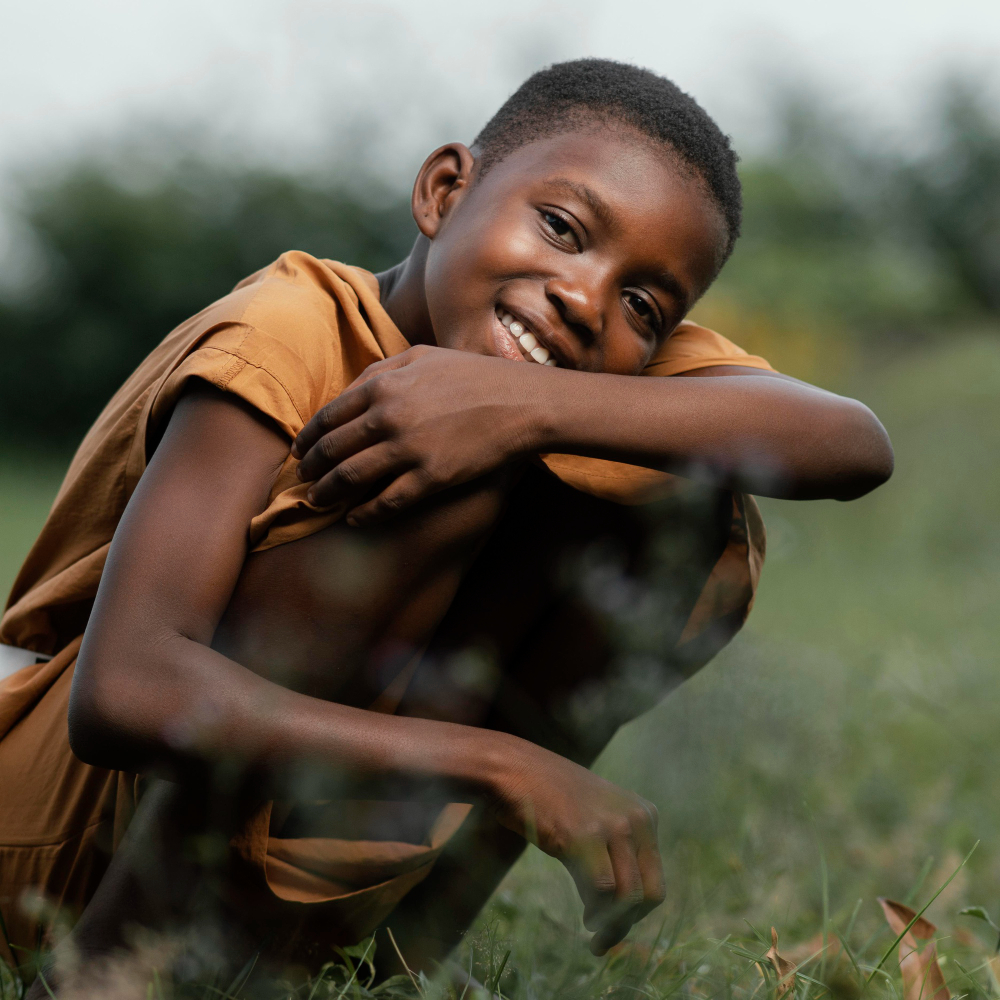
Living Waters addresses behavioral health issues
Living Waters in Charlotte NC addresses behavioral health issues through community partnerships that connect public health, faith leaders, and families.
A single mother, Sara, notices her 13-year-old son Jamal has started struggling in school. He avoids family dinners, seems anxious at night, and his once playful spirit feels dimmed. Sara worries but isn’t sure if this is typical teenage behavior or something more serious. When she learns that Living Waters partners with faith leaders, behavioral health providers, and public health teams, she feels relief. She sees a clear path forward; one that combines trusted community voices with professional support.
This is what happens when public health and behavioral health come together. It creates an approach that doesn’t just treat individuals but also strengthens families and entire communities.
Understanding Behavioral Health Issues
Behavioral Health Issues include challenges tied to our thoughts, emotions, and actions. These issues might appear as persistent worry, sadness, difficulty concentrating, or sudden changes in behavior. For youth, these struggles often show up as slipping grades, loss of interest in activities, or withdrawing from family and friends.
Left unaddressed, these challenges can deepen and affect every part of life. Early attention makes all the difference. Recognizing small shifts in mood, sleep, or focus can prevent bigger crises later on. At its heart, behavioral health is not separate from physical health. The mind, body, and spirit work together, and each needs attention for full wellness.
Why Public Health and Behavioral Health Belong Together
When people hear the phrase “public health,” they often think of vaccines, nutrition, or preventing disease outbreaks. Behavioral health, on the other hand, refers to our mental and emotional well-being. While these areas may sound different, they are deeply connected:
- Shared goals. Public health works to protect and improve entire communities. Behavioral health works to ensure individuals thrive emotionally and mentally. Both aim for stronger, healthier people, so their goals naturally overlap.
- Early support. Public health systems provide prevention, while behavioral health addresses concerns before they escalate. When the two work hand in hand, people get access to support sooner and avoid being left behind.
- Cultural respect. Healing must reflect the community it serves. An approach that blends behavioral and public health ensures that care is offered in ways that respect cultural identity and lived experiences.
- Trusted voices. Public health relies on education and outreach, while behavioral health benefits from relationships and trust. By working with faith leaders, mentors, and other trusted figures, communities are better able to connect with resources without stigma or fear.
How Living Waters Brings Collaboration to Life
Living Waters has developed programs that blend behavioral health and public health efforts in practical, community-based ways. Their initiatives bring churches, government agencies, and health providers to the same table, breaking down barriers that often keep people from finding help.
Behavioral Health Initiatives
Living Waters and its partners work to address mental health disparities across different populations. They host dialogues, review current practices, and create recommendations to close gaps in care. Through education and awareness, they make sure families understand that behavioral health care is for everyone, not just those in crisis.
Workshops, community discussions, and events are a key part of this. Faith leaders are trained to care for their own well-being and to guide others with compassion. In addition, Living Waters emphasizes trauma-informed approaches, recognizing that many families carry emotional wounds that need space and understanding before healing can begin.
Mentoring and Wellness Circles
Youth mentoring is another cornerstone. The Right Path Mentoring Program connects young people with trusted adults who help them develop identity, values, and resilience. These mentors provide steady encouragement and practical guidance to help youth grow into healthier versions of themselves.
Wellness Circles give both youth and adults safe spaces to talk openly. After trauma, it can be difficult to find the right words. Wellness Circles allow people to share stories, strengthen bonds, and take gentle steps toward healing. Because these circles are community-based, they feel less intimidating than formal settings, while still offering a pathway to professional care when needed.
Healing Circles for Women
Living Waters also nurtures women through programs like Bloom Gracefully and Circle of Women. These spaces bring women of faith together to talk openly about mental health, spirituality, and daily challenges. Retreats, small groups, and workshops give women opportunities to support one another in both practical and spiritual ways. By encouraging wellness at every level: mind, body, and spirit, these circles remind women that they don’t have to face challenges alone.
Community Engagement and Summits
One of the most powerful tools Living Waters uses is bringing people together. Events like the Domestic Violence and Mental Health Summit unite healthcare providers, social service workers, educators, and faith leaders. These gatherings break down silos, ensuring that families who need help don’t have to navigate a confusing system on their own. Instead, resources become interconnected, and collaboration becomes the norm.
Holistic Wellness in Everyday Life
Holistic wellness is more than a buzzword; it’s a way of looking at life that blends emotional, spiritual, and physical health. Living Waters shows what this looks like in practice:
- Parents learning how to recognize signs of stress in their teens during a church workshop.
- A mentor noticing when a young person begins withdrawing and guiding them to support.
- A group of women sharing personal experiences in a circle, finding both healing and encouragement.
- Healthcare providers and faith leaders working side by side to connect families to professional care.
Each of these examples demonstrates that wellness is not a single act but a community process. When everyone has a role, healing becomes stronger and more lasting.
Frequently Asked Questions
What makes Behavioral Health Issues different from everyday stress?
Stress is usually temporary and tied to specific events, while behavioral health issues involve ongoing struggles with mood, focus, or behavior that interfere with daily life.
Why is involving faith communities so important?
Faith leaders are often the first people community members turn to when life feels heavy. By training these leaders, support can begin early and in a familiar, trusted setting.
Can small group discussions really help with healing?
Yes. Talking in a circle builds trust and creates a safe place to process trauma. It is often the first step before moving toward professional behavioral health care.
How do community summits create change?
Summits bring together diverse voices: healthcare providers, teachers, law enforcement, and spiritual leaders. This broad network creates shared solutions and stronger support systems for families.
Why Collaboration Matters More Than Ever
Behavioral Health Issues are not problems that one system can solve alone. Public health addresses prevention and community wellness, while behavioral health focuses on the personal struggles that often remain hidden. By weaving these two areas together, Living Waters ensures that solutions are not only professional but also personal, cultural, and spiritual.
The result is a community that cares for the whole person. Families find support where they already feel safe. Youth receive mentoring before challenges spiral. Women are given circles of trust to share and heal. Summits connect leaders across different systems so no one falls through the cracks.
Collaboration matters because wellness is not isolated. It grows when communities recognize that physical, emotional, and spiritual health belong together. Living Waters continues to model how blending behavioral health with public health creates stronger families, healthier communities, and a brighter future for everyone.
Join Living Waters to help strengthen bonds in the community
Living Waters serves as an independent link between faith-based communities and the public and private sectors, facilitating collaboration and partnerships. We assist communities to establish and implement new goals.