
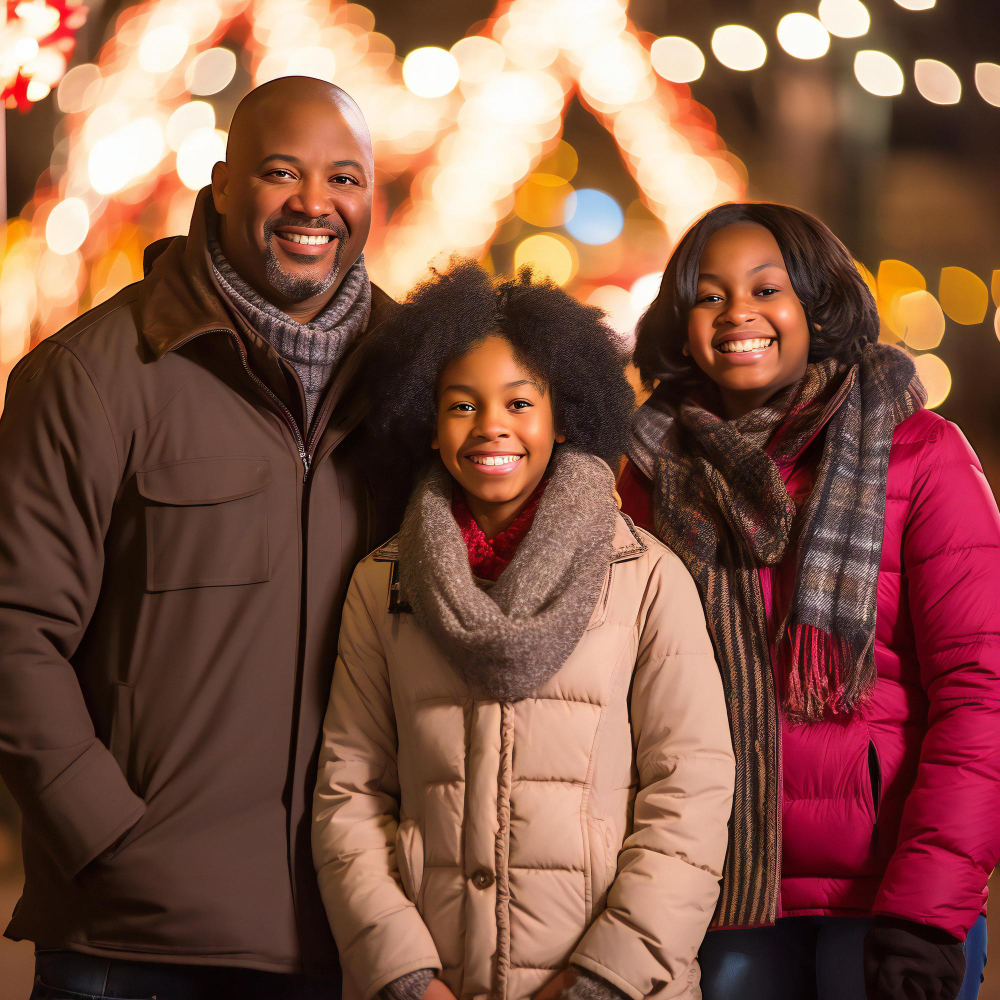
Living Waters recognizes that communities grow stronger when people listen, share resources, and work together. During the holiday season, conversations about connection can also make room for neighbors who feel isolated or overwhelmed.
Community engagement is more than an invitation to an event. It starts with a willingness to hear what residents value, understand the challenges they name, and work alongside them. Collaboration brings different perspectives to the same table so that a community can consider practical next steps together.
Why listening matters during the holidays
Holidays can bring celebration, but they can also bring grief, financial pressure, family tension, or loneliness. People experience this season differently. A welcoming community leaves room for those differences rather than assuming everyone feels the same way.
Listening can begin with a simple question: “How are you doing this season?” Give the other person time to answer without rushing to solve the problem. If someone wants help finding a resource, ask what kind of support they would find useful. Respect their privacy and their choice about what to share.
For Black communities, conversations about mental health may be shaped by personal experiences, cultural expectations, and past encounters with systems of care. A respectful conversation does not treat those experiences as identical. It invites people to speak for themselves.
Community engagement starts with relationships
Community engagement can take place through a neighborhood conversation, a faith community, a local organization, or an informal check-in. The setting matters less than the quality of the relationship. People are more likely to participate when they are welcomed, heard, and treated with dignity.
Before planning an activity, ask residents what they want to discuss and what would make participation easier. Consider access to transportation, the timing of a gathering, and whether people can contribute in different ways. A thoughtful invitation should explain the purpose of the conversation and what will happen with the ideas shared.
At the end of a discussion, identify a small next step and who will follow up. Even when a group cannot solve every concern, clear communication shows that participants’ time and perspectives matter.
How collaboration can support community wellness
Individuals, faith communities, organizations, and public and private partners may each bring different knowledge and resources. Collaboration offers a way to connect those perspectives. It also gives groups a chance to identify gaps, avoid working in isolation, and share responsibility for a common goal.
Living Waters describes its work as connecting and mobilizing individuals, organizations, and networks. Its focus includes cultural approaches to disparities and the mental, physical, emotional, spiritual, and financial health of people of color. These areas are connected to daily life, so community conversations can consider more than one dimension of well-being.
A useful partnership begins with a shared purpose. Participants can ask: What concern are we addressing? Whose voice is missing? What can each partner realistically contribute? How will we communicate progress? These questions help turn broad interest into an achievable plan without promising results that cannot be guaranteed.
Practical ways to connect this season
- Check in with a neighbor or relative and listen without judgment.
- Invite someone to a community gathering, while respecting their decision if they decline.
- Share information about local resources only when it is accurate and welcome.
- Ask community members what support or connection would be meaningful to them.
- Follow up after a conversation rather than leaving the next step unclear.
Small actions do not replace professional mental health care. Someone who wants clinical support can contact a qualified health professional. If a person is in immediate danger, call 911. In the United States, the 988 Suicide & Crisis Lifeline is available by call or text for emotional distress or a suicidal crisis.
Keeping collaboration going after the holidays
Connection matters throughout the year. After a seasonal gathering, groups can reflect on what worked, what felt difficult, and which voices should be included next time. A brief follow-up can help participants stay informed without creating pressure to take on more than they can manage.
Consider setting one realistic goal for the coming months. It might be another listening conversation, a clearer way to share community information, or a meeting among people who want to explore a shared concern. Choose a step that reflects what participants actually requested.
Living Waters and community connection
In Charlotte NC, Living Waters emphasizes engagement and collaboration as part of its commitment to people and communities. Listening with care and working across community relationships can help neighbors identify goals that matter to them.
Living Waters Inc serves as an independent link to faith-based communities to collaborate and partner with public and private sectors. We assist communities to establish and implement new goals.