
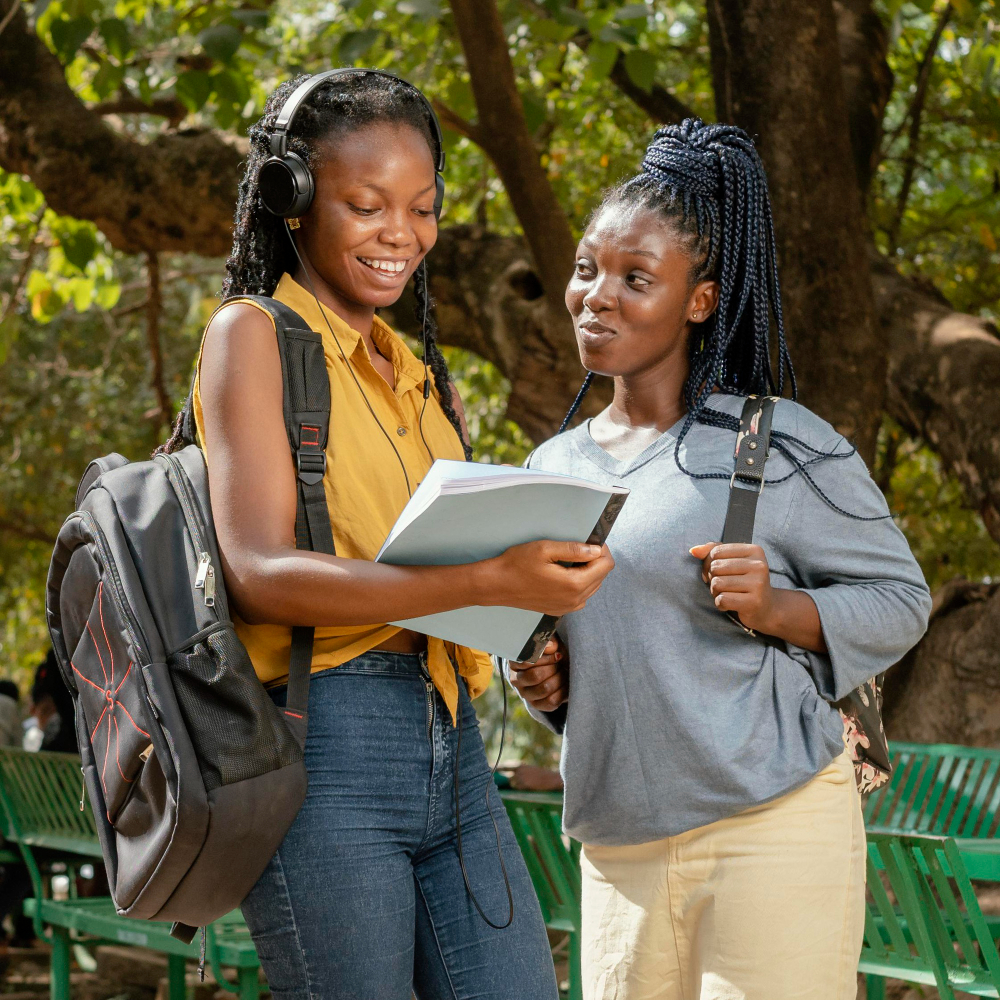
Black mental health for racial microaggressions
Living Waters supports Black mental health by helping teens in Charlotte, NC protect their mental peace while navigating racial microaggressions on social media.
A Black teenager scrolls through their social media feed after school. One video shows another young person facing harassment, another post highlights a viral story of racial injustice, and in the comments, microaggressions fly freely. By the time dinner rolls around, their mood has shifted, and anxiety has taken root. For many Black adolescents, this scenario isn’t rare, it’s daily life. The constant exposure to racial trauma online can affect their mental health, social development, and ability to focus on education and career growth.
At Living Waters, we understand the pressures teens face in the digital age. Just as our Vocational Education and Training (V.E.T.) program equips young adults with skills to succeed professionally, supporting mental and emotional well-being is equally crucial. Here’s how racial microaggressions online impact Black teens and strategies for parents and guardians to help protect their mental peace.
Understanding Digital Racial Microaggressions
Racial microaggressions are subtle, often indirect, actions or comments that convey bias or discrimination. On social media, these can appear as:
- Dismissive or stereotypical comments under posts or videos.
- Viral content that shows racial violence or injustice.
- Memes and jokes targeting racial identity.
Repeated exposure to these online stressors can trigger what experts call vicarious racial trauma, the emotional effect of witnessing racial harm, even if the teen isn’t directly involved. Over time, this stress can influence attention, mood, and behavior, making daily tasks and learning more challenging.
The Impact on Black Adolescents
Black adolescents are at a critical stage of brain development. Research shows that chronic stress can affect areas related to emotional regulation and decision-making. The persistent exposure to racial microaggressions online can:
- Increase feelings of fear, anxiety, or sadness.
- Reduce motivation to engage in educational or vocational activities.
- Influence social interactions and self-esteem.
- Make them more vulnerable to burnout and depression.
While social media is a tool for connection, it also becomes a source of emotional strain if teens don’t have strategies to manage these experiences.
How Vocational Education and Training Supports Mental Resilience
Living Waters’ V.E.T. program is more than career training; it integrates mental wellness into skill-building. Programs like Health and Mental Wellness, MINDSET Transformation, and Life Skills teach participants coping strategies that help manage stress, including stress from online spaces. This approach recognizes that a teen’s ability to succeed academically or professionally is tied to their emotional well-being.
For example, a participant in the Career Development track not only learns job skills but also develops resilience through mentorship and guidance on managing stressors. This dual focus prepares teens to navigate the real world, where online racial microaggressions can intersect with their professional ambitions.
Practical Steps to Protect Teens Online
Parents and guardians can play a key role in shielding teens from digital racial stress while empowering them to respond effectively:
- Open Conversations About Online Content
Encourage your teen to share what they see online. Avoid minimizing their feelings, validate them. This practice supports emotional processing and reduces isolation. - Set Healthy Boundaries
Encourage breaks from social media. Tools like screen time limits or curated feeds can reduce exposure to harmful content without completely disconnecting from peers. - Teach Critical Consumption
Guide teens in analyzing online content critically. Discuss the difference between informative posts and sensationalized or harmful media. Critical thinking reduces the emotional impact of negative content. - Encourage Mentorship and Peer Support
Programs like Living Waters’ Mentoring & Wellness Circles provide safe spaces for teens to share experiences and receive guidance from trained mentors. Peer support normalizes feelings and fosters coping strategies. - Promote Emotional Self-Care Practices
Activities such as journaling, exercise, or creative expression help teens process emotions in healthy ways. Combining these with professional guidance, like that offered in V.E.T., enhances resilience.
Integrating Online Awareness into Career Readiness
The skills teens develop through Vocational Education and Training extend beyond the workplace. Learning work ethics, decision-making, and problem-solving also strengthens their ability to navigate challenging social environments, including online spaces. When teens practice professionalism, self-regulation, and strategic thinking in vocational contexts, they are better equipped to handle microaggressions constructively.
Programs like GED preparation and Career Success Program not only boost educational outcomes but also enhance confidence. Teens who feel competent academically and professionally are more likely to manage online racial stress effectively.
Supporting Black Mental Health as a Community
Living Waters emphasizes community collaboration to address systemic stressors affecting Black youth. By combining vocational training with mental wellness support, the organization creates a network where teens can grow professionally while maintaining emotional health. Parents and educators can partner with Living Waters to ensure teens access these resources, reinforcing skills that foster resilience in both digital and real-world settings.
FAQs
Q: How can social media monitoring help protect teens?
A: Monitoring can help parents identify harmful content patterns without being overly intrusive. Open discussions about what they encounter are just as important as limits or filters.
Q: Can vocational training programs really impact mental wellness?
A: Yes. Programs like Living Waters’ V.E.T. integrate mental health guidance, mentorship, and life skills training. This approach strengthens resilience alongside career skills.
Q: How often should teens take breaks from social media?
A: Even short daily breaks, like 30–60 minutes, can reduce stress. Longer breaks may be necessary if a teen is experiencing repeated exposure to harmful content.
Q: Are microaggressions online as harmful as in-person experiences?
A: Vicarious racial trauma from online exposure can be equally impactful, especially when repeated. Emotional responses are valid regardless of the medium.
For Black adolescents, social media is both a space for connection and a source of stress. Racial microaggressions online can affect mental health, academic performance, and career readiness. Living Waters recognizes these challenges, integrating mental wellness into Vocational Education and Training programs to equip teens with practical skills, resilience, and a supportive community.
By fostering awareness, setting healthy boundaries, and promoting professional and personal growth, parents, educators, and organizations can help teens navigate the digital world without compromising their mental peace. With the right support, Black adolescents can thrive online, in school, and in their future careers.
Join Living Waters to promote Black mental health
Living Waters serves as an independent link to faith-based communities to collaborate and partner with public and private sectors. We assist communities to establish and implement new goals.